
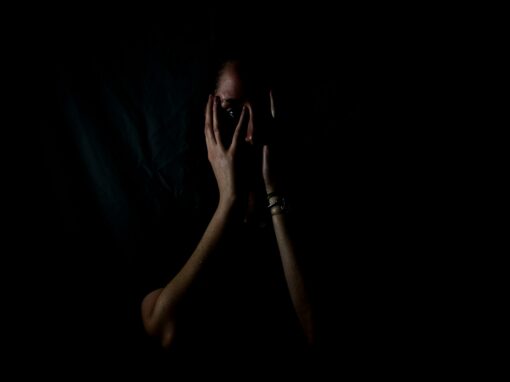
We talk a lot about risk in business, but what about the moments when fear hits you personally?
Have you ever felt proper, bone-deep fear? For me, there’s really only one time that sticks in my mind — and it happened somewhere pretty safe. I was at the top of the Stratosphere in Las Vegas, queuing for the X-Scream, and I got hit with real paralysing fear. I genuinely wondered if I could go through with it or if I’d just freeze on the spot. It was awful. It’s honestly the worst fear I ever remember feeling.
The thing is, I love roller coasters. I knew it was safe. I’d watched it run a LOT of times; nothing had gone wrong. But my body just wouldn’t listen to reason — my mind was running wild with all these ridiculous worst-case scenarios. In the end, I did go on. It was terrifying, sure, but absolutely worth it. I hadn’t come all that way to chicken out, and honestly, I knew I’d kick myself if I didn’t do it.
Fear often shows up just before achievement — in life, in business, everywhere. Feeling it doesn’t mean stop; it means you’re on the edge of something worthwhile.
This revelation struck me years later when I found myself in boardrooms, feeling that same paralysing sensation. Standing before potential investors, about to pitch an idea that could make or break my company’s future. The rational part of my brain knew the numbers were solid, the market research was thorough, and the team was capable. Yet there I was, palms sweating, heart hammering against my ribs, wondering if I’d completely lose my voice when it mattered most.
The parallels were uncanny. Just like that moment atop the Stratosphere, I was in a relatively safe environment — the worst that could happen was a “no” — yet my body was responding as if I were facing mortal danger. The fear wasn’t proportional to the actual risk, but it was absolutely proportional to the potential for transformation.
Fear, I’ve come to understand, is often our internal compass pointing toward growth. It’s the emotional equivalent of that moment when you’re stretching a muscle — uncomfortable, sometimes painful, but absolutely necessary for strength. The challenge isn’t eliminating fear; it’s learning to dance with it.
In business, we often try to quantify risk through spreadsheets, market analysis, and probability calculations. These tools are invaluable, but they miss something crucial: the human element. Fear operates on a different frequency entirely. It’s primal, emotional, and frustratingly irrational. But perhaps that’s precisely why it’s so valuable.
Consider the moments that defined your career. Chances are, they weren’t the comfortable decisions you made whilst sitting in your comfort zone. They were the ones that made your stomach churn, the opportunities that kept you awake at night, the choices that had your friends and family questioning your sanity. Starting that business. Leaving the secure job. Making that bold strategic pivot. Hiring that person everyone else thought was too expensive.
The entrepreneurs I most admire share a common trait: they’ve learned to interpret fear differently. Where others see a warning sign to retreat, they see a signal that they’re pushing boundaries. They understand that the absence of fear often indicates the absence of meaningful progress.
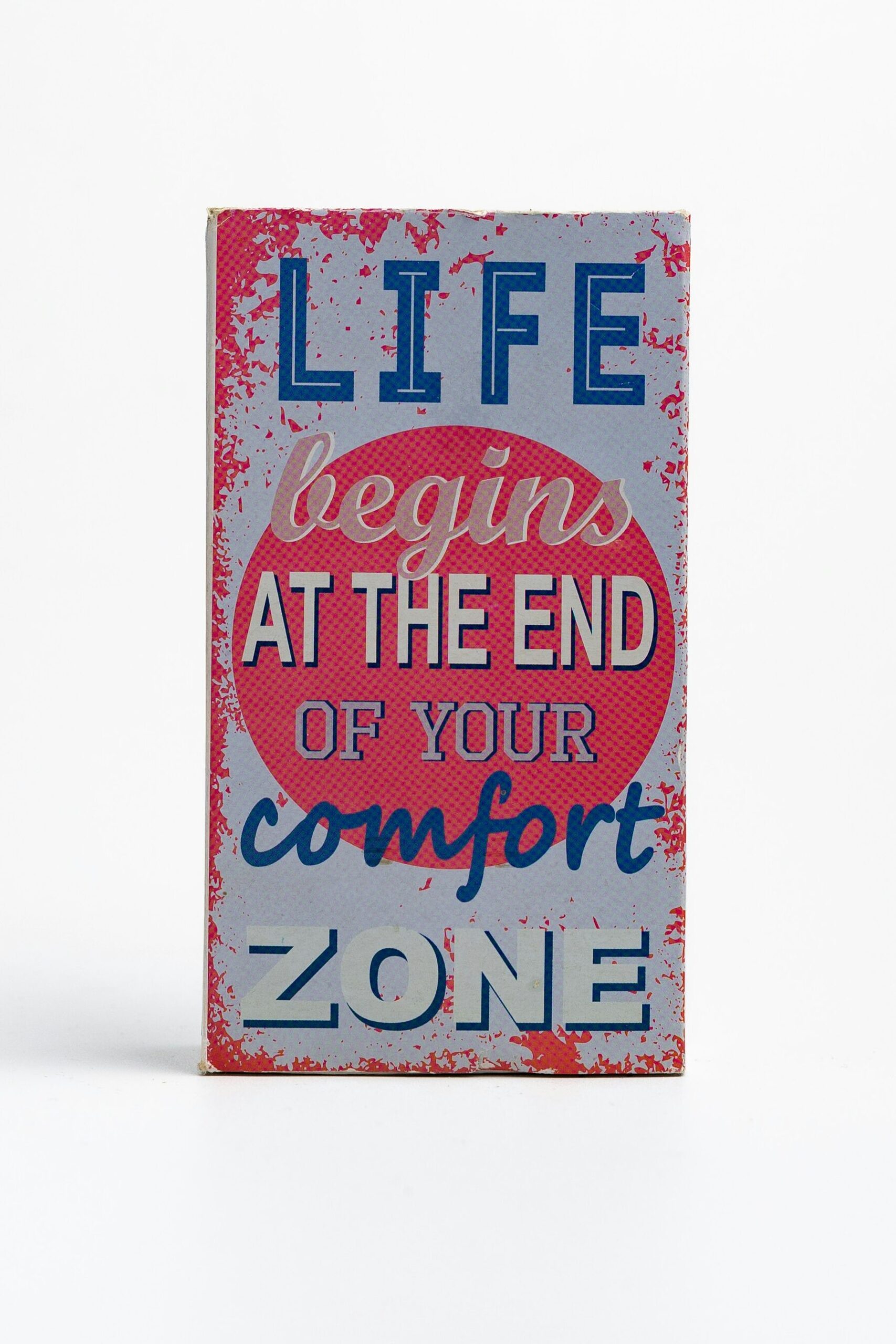
This doesn’t mean being reckless. There’s a crucial difference between calculated fear and foolish endangerment. The key lies in distinguishing between rational caution and paralysing anxiety. When I stood at the top of that tower in Vegas, my fear was irrational — the safety records were excellent, the equipment was maintained, the operators were experienced. The fear wasn’t about genuine danger; it was about stepping outside my comfort zone.
Similarly, in business, we need to differentiate between legitimate concerns and fear-based resistance to growth. Is the fear telling you something genuinely problematic about the opportunity, or is it simply your brain’s way of trying to keep you safe in familiar territory?
The most successful people I know have developed what I call “fear literacy” — the ability to read their fear like a sophisticated instrument panel. They can distinguish between the fear that says “this is dangerous, reconsider” and the fear that says “this is important, proceed with courage.”
This skill becomes particularly crucial during periods of rapid change or uncertainty. When markets shift, technologies evolve, or consumer behaviours transform, our natural instinct is often to retreat to what we know. But these are precisely the moments when bold action can create the most significant opportunities.
The pandemic provided countless examples of this principle in action. Whilst some businesses battened down the hatches and waited for the storm to pass, others recognised the moment as an unprecedented opportunity for innovation and growth. The companies that thrived weren’t necessarily the ones with the most resources; they were the ones willing to act despite their fear.
Fear also plays a fascinating role in leadership. The best leaders I’ve encountered aren’t fearless — they’re remarkably honest about their fears whilst refusing to be paralysed by them. They model courage not by pretending they’re not afraid, but by showing their teams how to move forward in spite of fear.
This transparency creates psychological safety within organisations. When team members see their leaders acknowledging fear whilst still making bold decisions, it gives them permission to do the same. It transforms fear from a weakness to be hidden into a shared human experience that can be navigated together.
The relationship between fear and innovation is particularly intriguing. Breakthrough innovations rarely emerge from comfortable circumstances. They’re born from the tension between what is and what could be, from the courage to pursue ideas that make others uncomfortable. The fear you feel when proposing something truly revolutionary isn’t a bug in the system — it’s a feature.
Yet fear also serves as a quality control mechanism. When you’re genuinely afraid of the consequences of a decision, it forces you to examine every angle, to stress-test your assumptions, to prepare more thoroughly than you might otherwise. Some of my best strategic decisions emerged from periods of intense fear-driven preparation.
The question isn’t whether you’ll encounter fear in your business journey — you absolutely will. The question is whether you’ll allow it to become your advisor or your master. Fear makes an excellent consultant but a terrible CEO.

Learning to work with fear rather than against it requires practice and patience. Start small. Notice the moments when fear arises in lower-stakes situations. Observe how it feels in your body, what thoughts it generates, and how it influences your decision-making. Then gradually work your way up to bigger challenges, building your fear tolerance like a muscle.
Remember that courage isn’t the absence of fear — it’s feeling the fear and choosing to act anyway. Every time you make that choice, you’re not just advancing your business goals; you’re rewiring your relationship with uncertainty and growth.
Key Takeaways
Fear in business isn’t something to eliminate but rather to understand and leverage. When paralysing terror strikes in relatively safe situations — whether atop a Las Vegas attraction or in a boardroom — it often signals that you’re approaching something meaningful and transformative.
The most successful entrepreneurs develop “fear literacy,” learning to distinguish between rational caution and growth-inhibiting anxiety. They recognise that breakthrough moments rarely occur in comfort zones and that fear often serves as an internal compass pointing toward opportunities worth pursuing.
Rather than viewing fear as weakness, effective leaders model courage by acknowledging their fears whilst refusing to be paralysed by them. This creates psychological safety within organisations and transforms fear from an obstacle into a shared navigation tool.
The relationship between fear and achievement isn’t coincidental — it’s fundamental. When you feel that bone-deep terror before making a significant business decision, you’re likely standing at the threshold of meaningful progress. The question isn’t whether the fear is present, but whether you’ll let it guide you toward growth or keep you trapped in familiar territory.
Be brave. The fear you’re feeling might just be pointing you toward your next breakthrough.